




How Much Does a Home EV Charger Cost to Install in the UK?

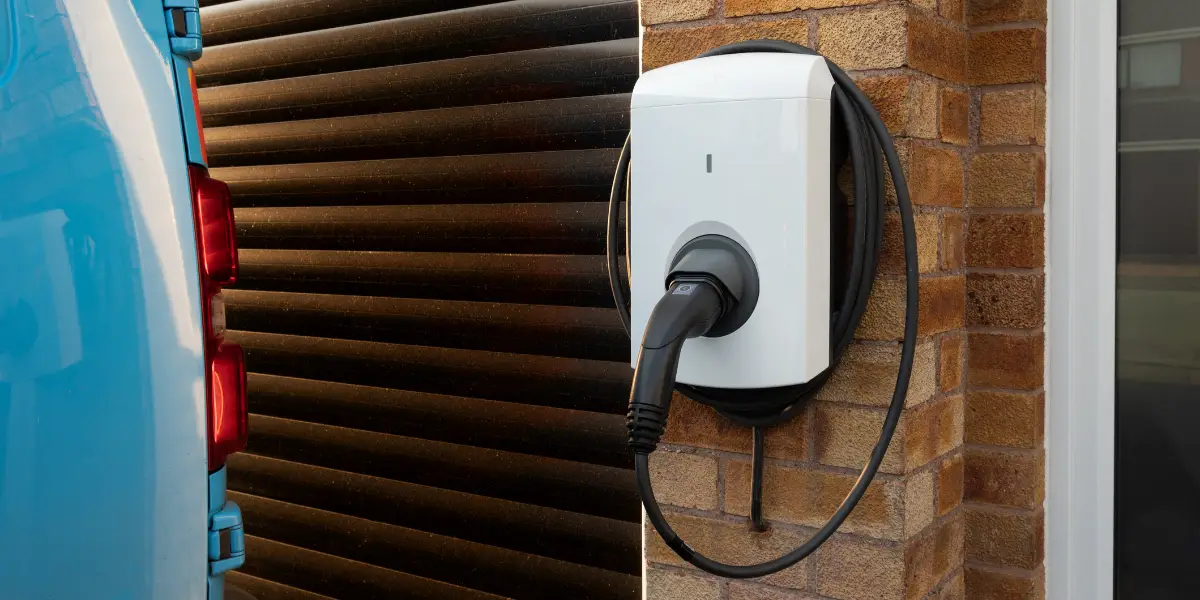
Electric vehicles are becoming a familiar sight on UK roads, and more owners are choosing to install a charging point at home rather than relying solely on public charging. It is usually faster, more convenient, and easier to plan around than queuing at a public charger.
The figure most people want first is the cost of installing a home EV charger, and the honest answer is that it depends on a few key factors. Charger type, your property’s layout, and the condition of your existing electrics all play a part in the final price, which we’ll walk through below.
Average Cost of Installing a Home EV Charger in the UK
For a typical UK home, you are generally looking at an EV charger cost of around £800 to £1200 for a standard installation. Costs will vary, though, depending on factors, as mentioned above, so let’s review what a breakdown might look like:
- EV Charger Unit: around £500 to £1,000, depending on brand, smart features, and whether it is tethered or untethered.
- Installation Labour: Around £300 to £600 for a straightforward install, rising where cabling, earthing, or consumer unit work is needed.
- Typical Total: Around £800 to £1,200 for a standard domestic installation, with more complex installs often reaching £1,500 to £2,000+.
Properties with straightforward access to the consumer unit tend to sit at the lower end. Where cabling needs to travel farther, or where the electrics need attention first, costs naturally rise.
What Is Included in EV Charger Installation?
Understanding the price of a home charging point means knowing what you are actually paying for. A proper home EV charger installation cost covers more than just bolting a unit to the wall.
Most installations include:
- EV charging unit installation, fitted securely in a suitable location near your parking space.
- Electrical connection to the consumer unit carried out safely and in accordance with current wiring regulations.
- Safety testing and certification to confirm the system meets the required standards before you start using it.
- Cabling and mounting hardware, sized correctly for the distance and load involved.
This is also where a residential EV charger installation differs from a DIY job. Certified installers test and certify the work, which matters for both safety and future warranty claims.
Smart EV Chargers vs Standard Chargers
Choosing between charger types directly affects price and day-to-day usability, so it helps to compare the two side by side.
Smart EV Chargers
A smart EV charger connects to your home network, giving you more control over when and how you charge. Common features include:
- Wi-Fi or app connectivity, so you can monitor and manage charging remotely.
- Energy monitoring, giving you a clear picture of usage over time.
- Scheduled charging, allowing you to charge overnight on cheaper tariffs.
In Great Britain, domestic charge points sold for private use are required to have this kind of smart functionality, so most new installations default to this category.
Standard EV Chargers
A standard charger is simpler in design, with basic charging functionality and no app or scheduling features. There is no display to check usage, no remote access via a phone, just a straightforward connection that charges your vehicle when plugged in. This usually means a lower upfront home charger cost, though it offers less flexibility around tariff timing and remote monitoring.
For drivers who charge at the same time each day and have no real need to track usage, a standard unit can still be a perfectly sensible choice.
Factors That Affect EV Charger Installation Cost
Several practical factors influence the final price of an electric vehicle charging installation, and they are worth understanding before you get a quote.
The distance between the charger and your consumer unit is one of the biggest variables. A short cable run keeps costs down, while a longer one means more materials and labour. Electrical upgrades can also add to the bill, particularly if your consumer unit needs replacing or strengthening to support the new load. Property layout and cable routing matter too, especially where cables need to pass through walls or across a garden.
Finally, the charger model you choose directly affects the home EV charger installation cost, since smart, higher-output units typically cost more than basic models.
What Is the OZEV Grant for EV Chargers?
It is worth checking eligibility before assuming the full cost of installing an EV charger at home will fall on you. For instance, the Office for Zero Emission Vehicles (OZEV) provides grants to help reduce the cost of installing EV charging points for certain households.
Grant support is currently available for some flats, rented properties, and landlords, but not for every homeowner. Eligible households can receive a contribution of up to £500 per socket towards the cost of buying and fitting a charger. If you fall into one of these categories, it is well worth factoring the OZEV grant for EV charger installation into your budgeting before you get quotes, since it can make a meaningful difference to the final price.
Is Installing a Home EV Charger Worth It?
For most EV owners, the answer is yes. Once you look past the initial cost of installing a home EV charger, the day-to-day benefits are significant. Home charging is considerably faster than relying on a standard three-pin socket, and it removes the need to plan journeys around public charging points.
Charging overnight on a cheaper tariff can also reduce your running costs over time, particularly if you choose a smart charger with built-in scheduling. When you weigh electric vehicle charging installation costs against the convenience of waking up to a full battery and the lower EV charger cost per mile compared with public charging, a home charger usually pays for itself through everyday use. That’s even before accounting for any reduction in your home charger cost through grant support.
Plus, you can also maximise your savings by combining solar with EV charging. We have another blog on our website that explains in more detail how to install EV charging installations with solar integration.
Ready to Install Your Home EV Charger?
Installing a home charger is one of the most practical upgrades an EV owner can make, offering faster charging, lower running costs, and genuine day-to-day convenience. Costs vary depending on the charger you choose and the work your property needs, but grants and smart charging options can help bring the figure down.
If you are ready to learn what installation would entail for your home, get in touch with our team to discuss your options. Call us on 01747 445 509 or fill out the contact form on our website to get started.
Book Your Free Survey Today
Let’s discuss what your property needs — whether it's a new solar installation or an expert check-up.