




Types of Home EV Chargers Explained: Which Is Right for You

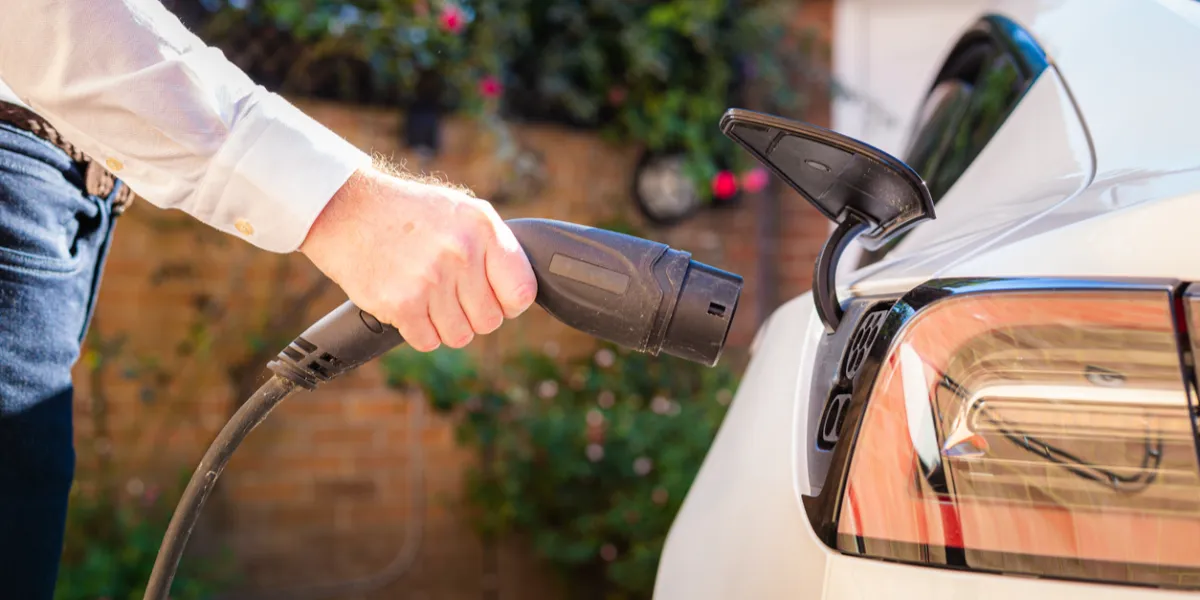
Electric vehicles require a reliable way to charge at home, and with several types of home EV chargers now available, the choice is not always straightforward. Each option offers different speeds, installation requirements, and features, and what works well for one household may not suit another.
Understanding the differences is the first step towards a decision that fits your vehicle and your property. This guide covers everything you need to know about electric vehicle home charging, from the simplest setup through to smart, app-controlled systems.
3-Pin Plug Charging
The simplest way to charge an electric vehicle at home is through a standard three-pin domestic socket. No additional hardware is needed, and most EVs come with a cable that allows this from day one. In fact, this is often used as a temporary measure while a dedicated charger is being arranged.
However, the limitation is speed. A standard socket delivers around 2.3kW, meaning a full charge can take 12 to 24 hours depending on battery size. As an EV charging speed comparison, this is significantly slower than any dedicated home charger. Relying on a three-pin socket long term also places sustained load on household wiring that isn’t designed for it.
Most owners move to a dedicated unit quickly, with the types of home EV chargers described below representing a considerable step up.
7kW Home EV Chargers
The 7kW home charger is the most common installation for UK households. It strikes a practical balance between charging speed and the single-phase supply that most homes already have, meaning installation rarely requires significant electrical work.
When comparing the 7kW vs 22kW home charger, the key point is that 7kW delivers enough speed for most daily driving needs. Most electric vehicles with a mid-size battery reach a full charge overnight, so you leave in the morning without any planning required.
The actual speed depends on your vehicle’s onboard charger, as not all EVs accept the full 7kW input. For most homeowners exploring electric vehicle home charging for the first time, a 7kW unit is the natural starting point.
22kW Three-Phase EV Chargers
A 22kW charger represents a significant jump in power. Where a 7kW unit might take eight to ten hours to fully charge a larger EV, a 22kW unit can do the same in two to three hours. As an EV charging speed comparison, the difference is substantial.
The catch is that a 22kW charger requires a three-phase electricity supply, which is far more common in commercial premises than in residential properties, and upgrading to three-phase involves the network operator and considerable cost.
Even where three-phase is available, the vehicle must also support 22kW AC charging, and many cars cap out at 7kW or 11kW regardless of the wall unit. For most homeowners, 22kW is not a realistic home EV charging option without first verifying both the property supply and the vehicle’s capability.
Smart EV Chargers Explained
What is a smart EV charger? Explained in simplest terms, a smart EV charger connects to your home Wi-Fi and is controlled through a smartphone app. It is not just a faster socket, but a managed system that works around your schedule and your tariff.
Many energy suppliers now offer time-of-use tariffs, where electricity is cheaper during off-peak hours, typically overnight. A smart charger schedules charging automatically during those windows, which meaningfully reduces running costs over time. Smart chargers also log energy usage, useful for budgeting or reclaiming costs through an employer.
The key features worth considering include:
- App-based scheduling to charge during cheaper off-peak tariff periods
- Real-time energy monitoring and usage history
- Remote start and stop control from your phone
- Compatibility with solar panels, directing surplus generation to your vehicle
The ongoing savings quickly offset any difference in upfront cost, making a smart charger the sensible choice for electric vehicle home charging.
Tethered vs Untethered EV Chargers
Beyond speed and smart features, there is one more decision worth thinking through: whether to choose a tethered or untethered charger. The tethered vs untethered EV charger distinction is straightforward once you understand what each involves.
A tethered charger has a fixed cable permanently attached to the unit. You pick it up and plug directly into your vehicle. An untethered charger has a socket on the unit, and you connect using your vehicle’s own cable.
Here is how they compare:
Tethered chargers
- Cable is always attached and ready, with no need to retrieve it from the car
- More convenient for everyday use, particularly in poor weather
- Cable type is fixed, which may matter if you change vehicles in future
Untethered chargers
- Compatible with any cable type, useful if you own multiple vehicles
- Neater wall appearance when not in use
- Requires keeping the cable in good condition and accessible
The best home EV charger in this respect comes down to your routine.
Which Home EV Charger Is Best for Your Property?
The right charger is the one that fits your property, your vehicle, and your daily routine. As discussed, the types of home EV chargers available range from basic 3-pin options through to three-phase 22kW units, with the 7kW smart charger sitting firmly in the middle as the most practical choice for most UK homes.
When comparing the 7kW vs 22kW home charger, most residential properties do not have the three-phase supply required for the latter, making 7kW the realistic starting point for almost everyone. Your vehicle’s onboard charger determines the actual speed you see, so it is worth checking that figure before choosing a unit.
The tethered vs untethered EV charger decision comes down to convenience versus flexibility, and the home EV charging options around smart functionality are worth serious consideration for anyone on a time-of-use tariff. Finally, consider where the charger will be sited. The best home EV charger is the one correctly matched to your specific circumstances.
When to Install a Dedicated EV Charger
If you are currently using a three-pin socket, moving to a residential EV charging point is a worthwhile step sooner rather than later. The difference in day-to-day convenience is significant, and the safety benefits of a unit built specifically for sustained electrical load are considerable.
Professional installation ensures the charger is correctly integrated with your home’s electrical system, that the circuit is appropriately rated, and that the unit meets current wiring regulations. This matters for safety, for insurance purposes, and for eligibility under any applicable government grant schemes.
A qualified engineer will assess your consumer unit, the proposed cable route, and the mounting position before work begins. For electric vehicle home charging that is reliable and built to last, professional EV charger installation is the right approach from the outset. The best home EV charger is one that has been correctly specified and properly installed, not simply the fastest model available.
Home EV Charging Made Simple: Find the Right Charger for Your Property
Several home EV charging options are available, each suited to different properties and usage patterns. For most UK homeowners, a 7kW smart charger offers the most practical combination of speed, control, and cost efficiency. Taking the time to understand the types of home EV chargers on offer means choosing something that works from day one, rather than outgrowing it quickly.
If you would like guidance on which charger suits your home and vehicle, the team at SESC Solar Service is happy to help. Call us on 01747 445 509 or use our contact form to book a free survey.
Book Your Free Survey Today
Let’s discuss what your property needs — whether it's a new solar installation or an expert check-up.