




What to Expect When Having Solar Panels Installed: A Homeowner’s Guide

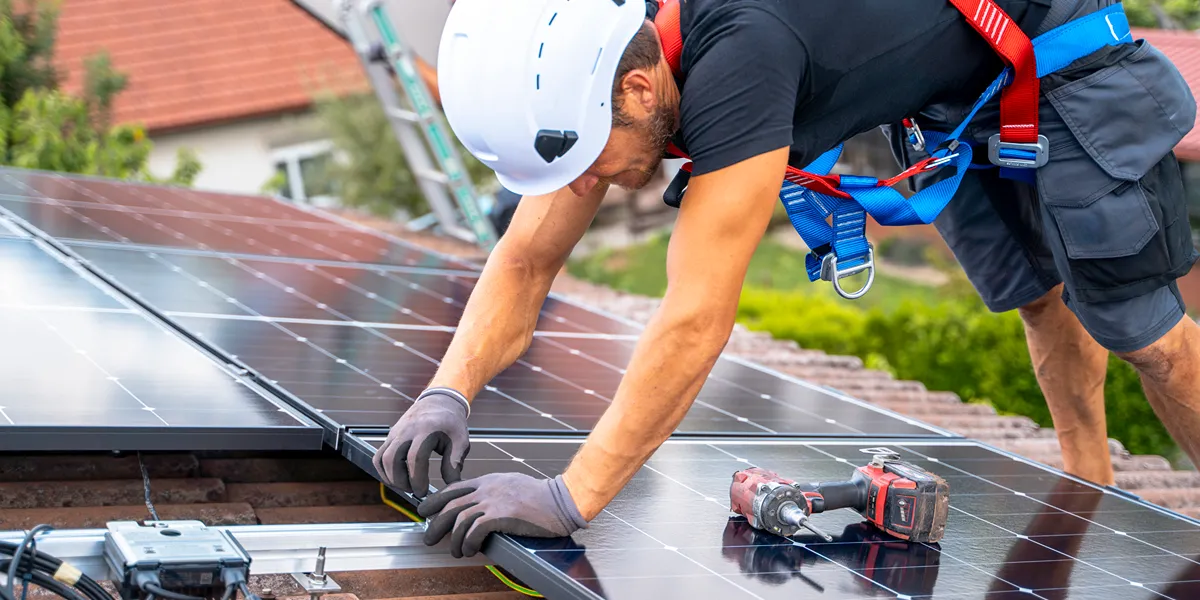
Booking your solar panels is an exciting step, but it’s natural to feel a little unsure about what happens once a date is confirmed. Who turns up, how long will they be there, and what does the property look like at the end of it all? Most of the uncertainty around the solar panel installation process comes down to simply not knowing what to expect.
Once you understand each stage, from the initial visit through to the final paperwork, the whole thing becomes far less daunting. Here’s what typically happens, in the order it happens.
Your Solar Panel Survey and Roof Assessment
Before any work is booked in, a qualified engineer will visit your property to carry out a solar panel survey. This isn’t a box-ticking exercise. It’s the stage that determines exactly how your system will be designed, so it’s worth taking seriously.
During the visit, the engineer will look at the pitch, orientation and condition of your roof, along with any shading from trees or neighbouring buildings that could affect performance. They’ll also check your existing electrics to confirm they can support a new solar panel installation, flagging anything unusual such as an older roof structure or limited loft access.
The survey also gives you a chance to ask questions before committing to anything. A good engineer will explain their findings clearly, so by the end of it you’ll have a good sense of what your system will look like and where the panels will sit.
How Long Does Solar Panel Installation Take?
One of the most common questions homeowners ask is how long the solar panel installation process actually takes. For a standard domestic property, the on-site work usually takes one to two days, depending on the size of the system and your roof layout.
That said, solar installation as a whole is a longer process than just the days engineers spend on the roof. Once your survey is complete, there’s typically a design and planning stage, followed by scheduling the work itself. If your property needs any structural checks or additional paperwork, such as listed building consent, this can add extra time before installation begins. We’ve covered typical timescales for UK properties in more detail here, if you’d like a fuller breakdown of what affects the schedule.
Knowing this upfront helps you plan around the work rather than being caught off guard by delays that are, in most cases, entirely normal.
What Happens on the Day: Access, Scaffolding and Disruption
Once your solar installation day arrives, your engineers will need clear access to both your roof and your consumer unit, so it helps to have vehicles moved and a route to the property kept free. The layout agreed during your roof assessment determines where the crew will be working.
A few things worth expecting:
- Scaffolding Erection: Scaffolding is put up before any panel work begins, taking a couple of hours with some visible activity around the property.
- Brief Power Interruptions: Your supply may need switching off briefly while the system is connected safely.
- Roof Access Throughout the Day: Engineers will be moving between roof and ground level regularly, so driveway access should stay clear.
Most homeowners are surprised by how little the solar panel installation process disrupts daily life, and engineers will keep you informed as the day progresses.
Inverter Installation and Connecting Your System
Once the panels are fitted, attention turns to inverter installation. The inverter is what converts the direct current your panels produce into the alternating current your home uses, so getting this right is central to how well your system performs.
This part of the solar panel installation usually takes place inside, often in a garage or utility area close to your consumer unit, in the position agreed during your solar panel survey. Engineers will run the necessary cabling from the roof down to the inverter and connect it into your home’s electrical system. If you’re having a battery fitted, it’s typically wired in at the same stage.
Your installer should walk you through where the inverter has been placed and what the display shows, since this is the part of the system that you’re most likely to check day to day.
System Commissioning and Your MCS Handover
Before your engineers pack up, the final stage of the solar panel installation process is commissioning. This means testing every part of the installation, from the panels themselves through to the inverter installation and the connection to your consumer unit, to confirm everything is working as it should and is safe to use.
Once system commissioning is complete, you’ll receive your MCS handover paperwork. This includes your MCS certificate, which confirms your installation meets the required standards, along with warranty information and details of your roof assessment findings. Our guide to why MCS certification matters explains why this documentation is worth keeping safe, particularly if you plan to sell your property or apply for certain energy tariffs in future.
At this point, your engineer will also talk you through how to monitor your system and who to contact if you ever have questions.
Why Homeowners Choose SESC Solar Service for Installation
Having a clear picture of the solar panel installation process is one thing, but who carries it out matters just as much. Here’s what sets SESC Solar Service apart:
- MCS-Certified and NICEIC Registered: Meeting the industry’s highest standards for competence and safety.
- Lifetime Warranty on all Work: Not a standard offering elsewhere, covering you well beyond the initial solar installation.
- Thousands of Completed Installations: Our solar panel installers bring genuine, hands-on experience to every property.
- A Price-Match Guarantee: We’ll beat any written quote, so you’re never paying over the odds.
- Engineers from Trade Backgrounds: We started out in electrical, plumbing and heating trades, so system commissioning is handled with a full understanding of how everything connects.
It’s this combination that gives homeowners confidence, on installation day and for years afterwards.
Ready for Your Own Installation Day?
Now you know what to expect, from that first visit through to the final handover, there should be far fewer unknowns standing between you and your new system. If you have any questions ahead of your installation, or you’re still deciding whether solar is right for your home, our team is here to help.
Call us on 01747 445 509 or use our contact form, and we’ll talk you through the next steps.
Book Your Free Survey Today
Let’s discuss what your property needs — whether it's a new solar installation or an expert check-up.