




A Practical Guide on How to Maintain a Solar Thermal System

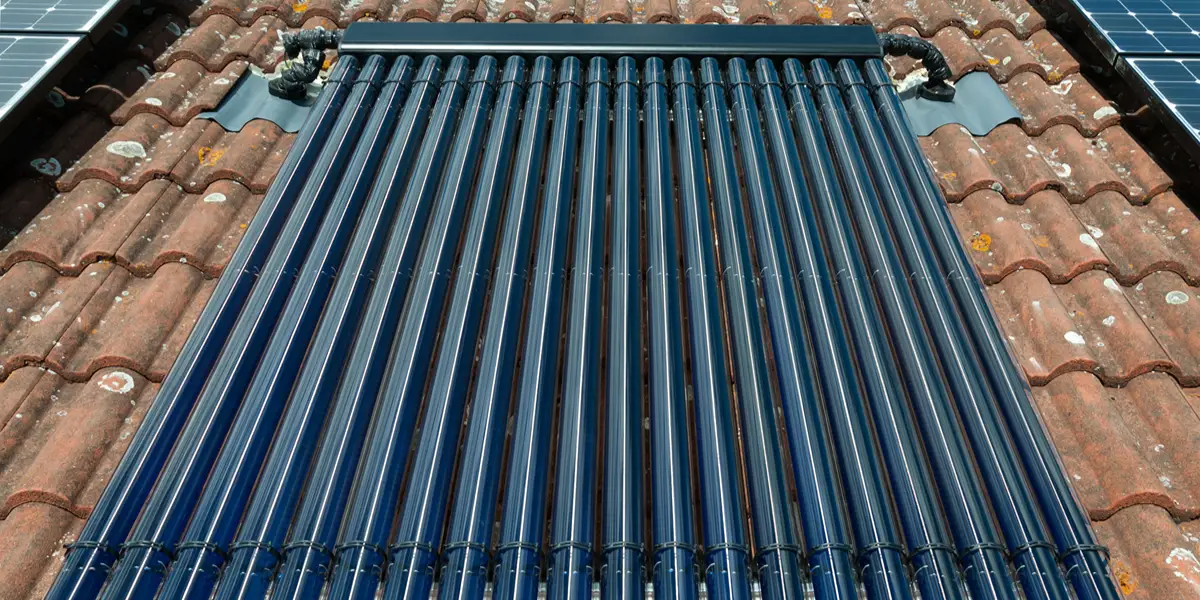
Solar thermal maintenance is one of those jobs that’s easy to put off, mostly because a solar thermal system doesn’t tend to announce a problem straight away. It will often keep heating water even as its performance quietly drops. Knowing how to service solar thermal panels and understanding which checks are safe to do yourself and which need a qualified engineer, helps you catch issues early and keep your hot water reliable through the year.
This guide walks through the key checks, from fluid levels to collector condition, so you know what to look for and when to call in professional help.
How Solar Thermal Systems Work (and Why Maintenance Matters)
A solar thermal system uses collectors on your roof to absorb heat from sunlight, which is then transferred to a fluid that carries it down to a cylinder for storage. That fluid, the pump that moves it, and the pressure that keeps everything circulating properly all depend on one another. If one part starts to underperform, the whole system tends to feel the effect, usually as reduced hot water rather than a dramatic failure.
This is why solar thermal system maintenance is less about waiting for something to break and more about catching small changes before they quietly become bigger, costlier problems. Regular checks help you understand what normal looks like for your system, so anything unusual stands out early. The sections below cover exactly what to check and how often, starting with the fluid that keeps the whole system running.
Checking Fluid Levels and Antifreeze Concentration
The fluid inside your collector loop is usually a mix of water and glycol antifreeze, which stops it freezing and damaging pipework during cold weather. Over time, this fluid can break down, lose concentration, or simply run low, all of which reduce how efficiently your system transfers heat.
Checking fluid levels is one of the more accessible parts of how to service solar thermal panels yourself, though testing antifreeze concentration properly usually needs a refractometer, a small tool that measures the fluid’s freeze protection. If you notice the fluid looking cloudy, discoloured, or unusually low, this is often linked to problems with your solar thermal pump struggling to circulate it evenly.
Topping up incorrectly can cause more harm than good, so if you’re ever unsure about the mix or the levels, it’s worth having an engineer check it during a routine visit rather than guessing.
Monitoring System Pressure
Pressure is one of the simplest indicators of how your system is performing, and it’s worth checking every few months. Most systems have a gauge near the pump station, usually showing a recommended range that varies depending on your particular setup.
A solar thermal pressure check that reads consistently low can point to a leak somewhere in the loop, while pressure that keeps climbing may suggest a fault with the expansion vessel. Neither is something to ignore, since both can affect how well the system heats water and how much strain is placed on its components.
As part of ongoing solar water heater maintenance, keeping an eye on pressure gives you an early warning sign long before hot water output noticeably drops. If the gauge sits outside the expected range and doesn’t correct itself, that’s a sensible point to bring in a professional rather than adjusting it yourself.
Inspecting Your Collectors (Flat Plate and Evacuated Tube)
Your collectors do the actual work of capturing heat, so keeping them clear and undamaged matters more than most homeowners realise. What you’re checking for depends on which type you have:
- Flat plate collector maintenance mostly means checking the cover for cracks, checking seals for wear, and clearing leaves, moss, or debris that block sunlight
- Evacuated tube maintenance means checking each tube for cracks or a milky appearance inside the glass, which usually signals a lost vacuum
Both types benefit from a visual check after storms, since debris and impact damage are common causes of reduced performance
None of these checks require climbing onto the roof. A pair of binoculars or a photo from ground level is usually enough to spot problems, and this is a useful part of how to service solar thermal panels between professional visits. Anything beyond that should be left to an engineer.
Recognising the Signs Your System Needs Attention
Some warning signs are harder to spot than others, but a few patterns tend to show up consistently when something needs looking at:
- A noticeable drop in hot water temperature or volume, particularly on otherwise sunny days
- Unusual noises from the pump station, such as knocking or a change in its usual hum
- Longer boiler run times as it compensates for a shortfall from the solar thermal system
- Visible fluid leaks around pipework or the pump housing
A struggling solar thermal pump is often behind several of these symptoms at once, since it affects how well heat moves through the system. Regular solar thermal service visits tend to catch these issues before they show up as a noticeable change in your hot water, which is why how to service solar thermal panels properly means knowing what to listen for, not just what to check by eye.
What to Check Yourself vs What Needs a Qualified Engineer
As a general rule, anything you can observe without opening up the system is safe to do yourself. Checking fluid colour and level, monitoring the pressure gauge, and looking over your collectors from ground level all fall into this category, and doing them regularly is a useful habit. Solar thermal system maintenance beyond that, such as testing antifreeze concentration, adjusting pressure, or investigating a leak, needs a qualified engineer with the right tools.
A solar thermal annual service covers all of this in one visit, picking up on anything a visual check alone would miss, which is why how to service solar thermal panels well means pairing your own checks with a professional one. Solar water heater maintenance carried out this way, combining your own checks with a professional solar thermal service each year, is generally the most reliable way to keep the system performing as it should.
Keep Your System Performing at Its Best
Staying on top of solar thermal maintenance doesn’t need to be complicated, but it does help to have a qualified engineer confirm that everything is working as it should. Our team can carry out a full inspection, check your fluid, pressure, pump, and collectors, and let you know clearly if anything needs attention, whether that means a simple adjustment or a more involved repair.
Call us on 01747 445 509 for a free, no-obligation quote, or get in touch through our contact form and we’ll take it from there.
Book Your Free Survey Today
Let’s discuss what your property needs — whether it's a new solar installation or an expert check-up.