




How Long Does It Take to Install Solar Panels in the UK?

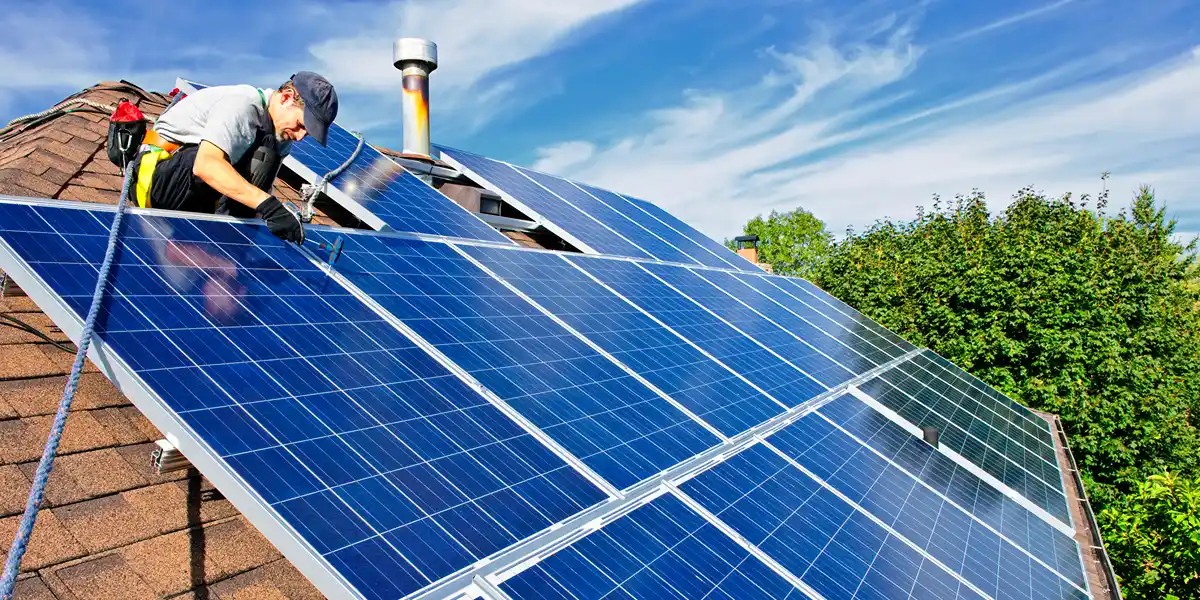
If you’re weighing up solar for your home, one of the first practical questions is timing. How long does solar panel installation take, from that first phone call to a fully working system? For most UK homes, the answer is somewhere between four and eight weeks, though the exact figure depends on your property, your installer’s schedule, and a few approvals outside anyone’s direct control.
Understanding what happens at each stage makes the whole process far less daunting and helps you plan around it with confidence. Here’s what to expect from booking through to sign off, and if you’d like to know more about how solar panels work, we’ve put together a guide on that too.
Booking Your Solar Panel Survey
Every installation begins with a solar panel survey. This is where an engineer visits your property to assess your roof’s condition, orientation, pitch, and any shading from nearby trees or buildings. They’ll also check your loft space, existing electrics, and consumer unit to confirm the system can be safely connected. This visit usually takes an hour or two, and most installers can offer an appointment within one to two weeks of your enquiry.
The survey isn’t just a box ticking exercise. It shapes every decision that follows, from panel placement to inverter sizing. If your roof isn’t suited to solar, a good installer will tell you honestly rather than pushing ahead regardless. You can read more about what surveyors look for in our guide to checking if your roof is suitable for solar panels before your appointment, so you know what questions to ask on the day.
Getting a Solar Quote to Install
Once the survey is complete, you’ll receive a solar quote to install your system, usually within a few days. A proper quote should set out:
- The Equipment Specified: The exact make and model of panels, inverter, and battery (if you opt for one), not just a generic system size.
- Expected Output: A realistic estimate of how much electricity your system should generate, based on your roof and location.
- Total Cost: A clear, itemised figure with no vague allowances or hidden extras added later.
- A Realistic Installation Date: A proposed window for the work, based on your installer’s actual schedule.
It’s worth comparing more than one quote, and worth being wary of any solar panel installers who pressure you to sign on the spot.
A trustworthy quote explains its reasoning rather than just listing numbers. You should understand why a particular panel or inverter has been chosen for your property, not just what it costs. If you’re unsure how to compare options, our guide on choosing the best solar panels for your home or business breaks down what matters when weighing up different systems, so you can make a decision you’re confident in.
Designing the System
With a signed quote in place, the technical design work begins. Your installer will finalise the exact solar installation layout, including how many panels will fit your roof, how they’ll be wired together, and where the inverter and battery (if you opt for one) will be positioned. This stage typically takes around a week and often happens without you needing to be involved directly.
Getting the design right matters more than it might seem. Panel count and positioning affect how much electricity your system generates over its lifetime, not just how it looks from the street. If you’re still unsure as to how the number of panels is determined, our article on how many solar panels you need is a useful reference point. A second, brief solar panel survey may follow if any details need confirming before the paperwork stage begins.
MCS Certification and DNO Approval
Before installation day, two pieces of paperwork need to be in motion. The first is your application for DNO approval, submitted to your local electricity network operator [1]. Most straightforward domestic systems are approved automatically within a few days, though larger installations can take a few weeks if the network needs to check capacity in your area.
The second is confirmation that your installer and equipment meet the standards required for an MCS certificate, issued through the Microgeneration Certification Scheme [2]. This certificate matters for two reasons: it’s often required for warranty validity, and it’s essential if you plan to claim payments for exporting surplus electricity back to the grid [3].
You can read more about why this accreditation matters in our guide to MCS certification for solar systems. How long does solar installation take when both approvals run smoothly? Usually no extra time at all, since this stage runs alongside scheduling.
Scaffolding and Installation Day Itself
With approvals in hand, it’s time to book scaffolding for solar access to your roof. This is typically erected the day before or the morning of installation and stays in place for the duration of the work. For a standard domestic system, the solar panel installation itself usually takes one to three days, depending on the size of the system and whether a battery is being fitted alongside the panels.
Work is generally split across two days:
- Day One: Mounting the roof frames and fitting the panels in place.
- Day Two: Wiring the system, connecting the inverter, and running cables through to your consumer unit.
Engineers will talk you through what’s happening as they go, and most households can continue using electricity throughout, aside from a short period when the system is switched over. So, how long does solar panel installation take on site specifically? For most homes, it wraps up within 48 hours of the scaffolding going up.
Grid Connection and Your Final Sign-Off
Once the physical solar installation is finished, your installer will formally notify your network operator that the system is live, completing the grid connection process. If your DNO approval was already granted, this final notification is usually just a formality. Your installer will also carry out final testing to confirm everything is working correctly and safely before handing the system over to you.
At this point, you’ll receive your MCS certificate, along with the documentation you’ll need for any warranty claims or export payment applications. How long does solar panel installation take from that very first enquiry to this final handover? Most homeowners are looking at somewhere between four and eight weeks in total, with the bulk of that time spent waiting on paperwork and scheduling rather than the physical build itself.
What to Expect Once the Work Is Booked In
Once your work is booked in, you can expect clear communication at every stage, from your first survey through to grid connection and DNO approval. At SESC Solar Service, we handle the process from start to finish, keeping you informed so there are no surprises along the way. Every installation comes with a lifetime warranty, and our team is available 24/7 if you have any questions.
Ready to find out what your own timeline might look like? Call us on 01747 445 509 or get in touch through our contact form to book your survey.
External Sources
[1] GOV.UK, “How to Register Energy Devices in Homes or Small Businesses: Guidance for Device Owners and Installation Contractors”: https://www.gov.uk/government/publications/register-energy-devices-in-homes-or-small-businesses-guidance-for-device-owners-and-installation-contractors/register-energy-devices-in-homes-or-small-businesses-guidance-for-device-owners-and-installation-contractors
[2] MCS, “MCS Certified”: https://mcscertified.com
[3] Ofgem, “Smart Export Guarantee (SEG)”: https://www.ofgem.gov.uk/environmental-and-social-schemes/smart-export-guarantee-seg
Book Your Free Survey Today
Let’s discuss what your property needs — whether it's a new solar installation or an expert check-up.