


Is My Roof Suitable for Solar Panels? What to Check Before You Commit

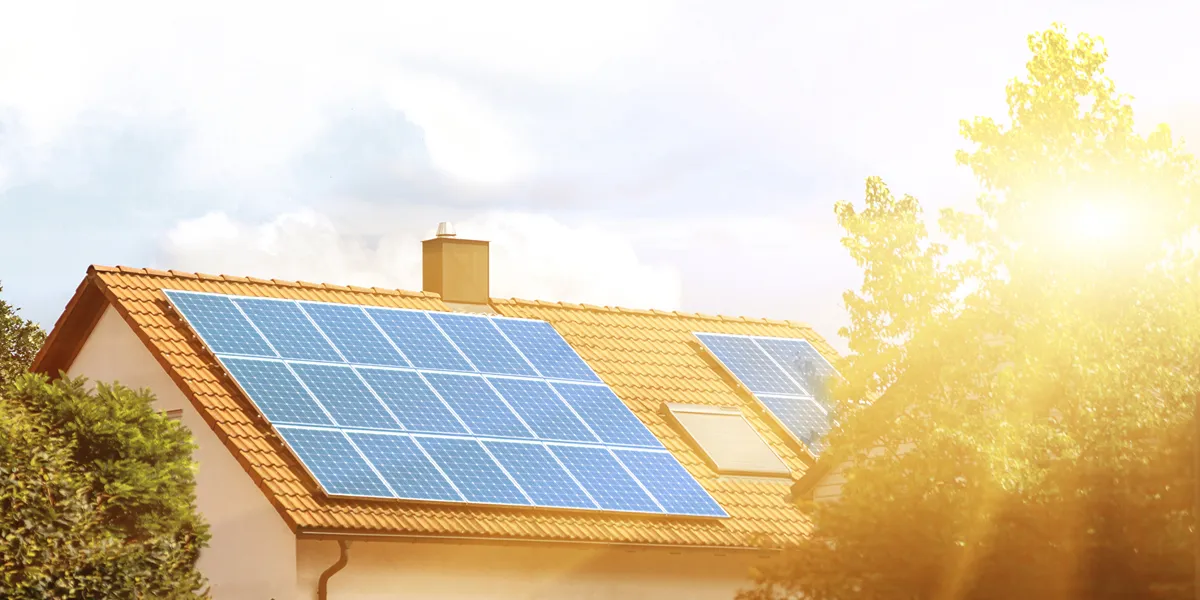
If you’re weighing up solar for your home, one question tends to come before all the others: is my roof suitable for solar panels? It’s a fair thing to ask, because not every roof performs the same way once panels are fitted. Pitch, orientation, shading, the material underneath and the general condition of the structure all play a part in how much a system will generate and how straightforward the solar installation will be.
None of these factors is a dealbreaker on their own, but together they build a picture of whether your property is a strong candidate. The best place to start is with the angle of your roof itself, so that’s where we’ll begin.
Why Roof Pitch Matters for Solar Panels
Roof pitch for solar panels refers to the angle at which your roof slopes, and it directly affects how efficiently the panels capture sunlight throughout the year. In the UK, a pitch between 30 and 40 degrees is generally considered ideal, allowing panels to catch a good spread of sunlight across the seasons without requiring extra mounting equipment.
Steeper or shallower roofs can still work well, but they may need adjusted brackets to correct the angle, which adds a small amount to the cost of a solar panel installation. A very steep roof can also mean panels shed rain and debris more effectively, which helps keep them clean. There’s rarely a pitch that rules solar out completely. It simply changes how the system is fitted and, in some cases, how many panels are needed to reach the output you’re after.
Roof Orientation: Why a South-Facing Roof Performs Best
Roof orientation for solar is one of the biggest factors in how much energy your system will produce. A roof that faces south receives the most consistent sunlight across the day, which is why installers tend to recommend it as the benchmark for strong performance.
That said, east and west-facing roofs are far from unsuitable. They still generate a healthy amount of power, just spread differently across the morning and afternoon, which can suit households that use more electricity outside the middle of the day. North-facing roofs are the trickiest case, though even these can sometimes support a workable system depending on pitch and local shading.
If you’re still asking whether my roof is suitable for solar panels at this stage, orientation is worth checking early, since it shapes almost every decision that follows, including panel layout and expected output.
Shading and Its Impact on Solar Output
Even a well-positioned roof can underperform if it’s regularly shaded by trees, chimneys, neighbouring buildings or nearby structures. A solar shading assessment looks at how sunlight falls across your roof at different times of day and year, identifying obstructions that could reduce output, including ones that only become a problem once the sun moves lower in winter.
Shading affects more than the panels directly underneath it. Depending on how a system is wired, a shadow falling on just one panel can reduce the performance of an entire string, so a proper assessment matters more than a quick visual check from the ground. When engineers factor shading into their review of a roof’s suitability for solar, they can often design around minor obstructions using panel layout, optimisers, or microinverters, which allow individual panels to continue performing well even when a neighbouring one is partly shaded, rather than ruling the roof out altogether.
Flat Roof Solar: Is It a Viable Option?
A flat roof presents a slightly different proposition for solar, but it’s far from a non-starter. Because there’s no natural pitch to work with, panels are usually fitted onto tilted mounting frames that angle them towards the sun, effectively recreating the roof pitch that a sloped roof would provide naturally. This approach works well on many commercial premises and some domestic properties, particularly extensions or garages with flat roofs, where the flat surface makes it easier to orientate panels to face the sun most directly.
The main considerations are structural loading, since mounting frames add weight, and spacing between rows to avoid one row shading the next. If you’re asking whether my roof is suitable for solar panels and you have a flat roof, the honest answer is usually yes, provided the structure can support the additional load, and there’s enough clear space to angle the panels properly.
Roof Material and Age: What to Consider Before Installation
The material your roof is made from affects how a solar panel installation is fixed in place. Some materials take standard mounting brackets with no trouble, while others need specific fixings first:
- Slate: Durable, but installers take care not to crack tiles, using bespoke hooks made for slate roofs.
- Concrete or Clay Tiles: Common on modern homes and straightforward, provided tiles are in good condition.
- Metal Roofing: Common on commercial buildings and flat roof solar setups, allowing quick fixing with standard clamps.
- Felt or Membrane Flat Roofs: Usually paired with a ballasted or frame-mounted system to protect the waterproofing beneath.
Roof age matters just as much as material. A roof nearing the end of its lifespan may need attention before panels go on, since removing a system for repairs later adds unnecessary cost. Factoring age into your solar feasibility check now can save disruption later.
Structural Condition and Overall Solar Feasibility
Beyond pitch, orientation, and material, your roof’s structure needs to support the added weight over the long term. This is where a proper survey earns its keep, checking rafters, timbers and general repair before any solar installation begins:
- Roof Timbers and Rafters: Checked for rot, warping or damage affecting their ability to bear extra weight.
- Existing Repairs: Patched or ageing areas assessed to see whether they need addressing first.
- Loft Access: Reviewed to confirm cabling routes and any bracing required.
- Load Capacity: Calculated to ensure the roof can carry panels, equipment and any battery or EV charger wiring.
A south-facing roof with excellent orientation still needs to pass this check. Feasibility isn’t decided by one factor alone, and if you’re still asking, “Is my roof suitable for solar panels at this point?” a full survey is the only way to get a definitive answer.
Book a Roof Suitability Assessment
The only way to know for certain whether your roof is ready for solar is to have it properly assessed. At SESC Solar Service, our accredited engineers carry out a full survey covering pitch, orientation, shading, material and structural condition, then give you a clear answer along with your options.
We back every installation with a lifetime warranty, and we’re MCS-certified and NICEIC-registered. Call us on 01747 445 509 or use our contact form to book your FREE survey.
Book Your Free Survey Today
Let’s discuss what your property needs — whether it's a new solar installation or an expert check-up.