




Solar Thermal vs Solar PV: What’s the Difference and Which Do You Need?

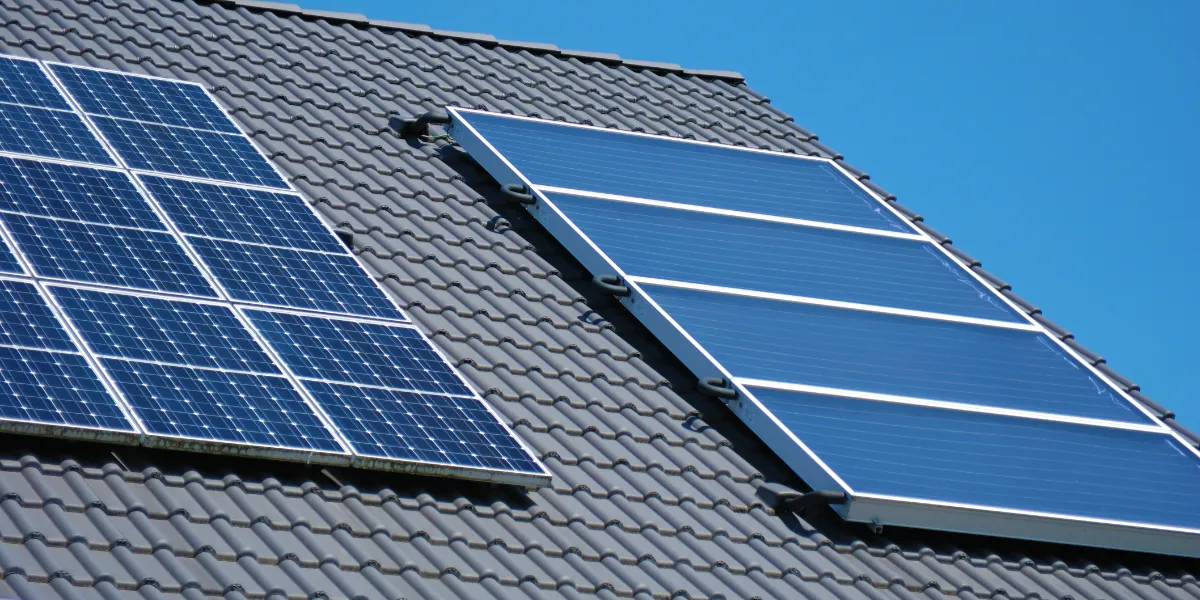
If you’re exploring solar energy for your home, it helps to know that not all solar systems do the same job. Solar thermal and solar PV are two distinct solar panel types, and choosing between them comes down to what your household needs. This guide covers how each technology works, what it costs, and which renewable home energy option is likely to suit your property best.
Both systems capture sunlight, but they convert it in very different ways, and the practical difference between the two is significant. Understanding that distinction is the essential first step to making the right call for your property.
What Is Solar PV?
Solar PV panels generate electricity. Each panel contains photovoltaic cells that convert sunlight directly into an electrical current, fed through an inverter and used to power your home. Solar electricity generation from a standard domestic system can typically cover a meaningful share of household demand, depending on roof orientation, shading, and system size.
Electricity your panels produce but don’t use immediately can be stored in a battery for later use or exported to the National Grid through the Smart Export Guarantee. For homeowners weighing up solar PV vs solar hot water, PV offers the broadest flexibility: it can offset almost any electrical load in your home. That versatility is why it has become the most popular choice for homeowners seeking the best solar systems across the UK.
What Is Solar Thermal?
Rather than generating electricity, a solar thermal system collects heat from the sun and uses it to warm water. Flat-plate or evacuated tube collectors are mounted on the roof, and the heat they absorb is transferred via a fluid circuit to a hot water cylinder inside the property.
The result is a solar heating system that covers a significant portion of your domestic hot water demand, typically 50 to 60% annually. In summer, output is considerably higher; in winter, a boiler or immersion heater provides top-up heating. Unlike solar water heating, which use solar panels of the PV variety, solar thermal does not generate electricity. Its role is focused and specific: reducing the energy your home uses to heat water.
Key Differences Between Solar Thermal and Solar PV
Understanding solar thermal vs solar PV means comparing them across the areas that matter most. These are two distinct solar panel types designed for different purposes:
- Purpose: Solar PV generates electricity for use throughout your home. Solar thermal produces heat for your hot water cylinder only.
- Output: PV can power appliances, lighting, EV chargers, and battery storage. Thermal output is limited to domestic hot water.
- Savings: Solar PV can reduce energy bills by roughly £200-£500 per year. Solar thermal typically offsets 50-60% of annual hot water costs.
- Roof Space: Solar thermal collectors occupy less roof area for their specific function. A full PV system requires more panels to maximise output.
- Maintenance: Both systems are low-maintenance, though solar thermal requires more moving parts and periodic checks of the pump and antifreeze fluid.
- Compatibility: Solar PV works alongside battery storage and EV charging. Solar thermal integrates with your existing cylinder and boiler.
Which Solar System Is Best for Your Home?
The honest answer is that it depends on your priorities. There is no single best solar system for homes that fits every situation, and the right choice varies based on how your household uses energy.
If your main goal is to reduce electricity bills and gain more control over your energy use, solar PV is likely the stronger option. It offers lower electricity costs, the ability to store surplus energy, and potential income from export payments. It also pairs well with EV charging.
If your household has a high hot water demand, solar thermal can deliver targeted savings at a lower upfront cost. It works well as part of a broader renewable home energy plan, particularly alongside an existing boiler for space heating.
Your solar heating system choice will also be shaped by roof orientation, shading, and available space. A qualified engineer can assess your property and clarify which option will deliver the most value before you commit.
Cost Comparison Between Solar PV and Solar Thermal
Installation costs vary depending on system size, roof configuration, and complexity, but typical UK ranges provide a useful starting point.
A domestic solar PV system generally costs between £6,000 and £11,000, with battery storage pushing costs towards the higher end. A solar thermal installation usually costs between £3,000 and £6,000 for a standard domestic setup. On cost alone, solar PV vs solar hot water comparisons make thermal appear more affordable upfront, though its savings are limited to one area of your energy use.
It is worth noting that VAT is currently 0% on domestic solar installations in the UK until March 2027, which reduces the overall outlay on either system. Comparing solar water heating vs solar panels on a cost-per-benefit basis requires looking at your specific usage. Any reputable installer should provide a clear breakdown of projected savings alongside the quote, so you can assess the return before committing.
Can You Install Both Solar PV and Solar Thermal?
Yes, and for some properties it is a practical option worth considering. Running both systems means solar electricity generation handles your household power needs, while solar thermal simply covers the majority of your hot water demand. Together, they address two of the largest contributors to domestic energy costs.
The main requirement is a sufficient suitable roof space for both sets of collectors and panels, along with a compatible hot water cylinder to work with the thermal system. A combined approach tends to suit larger properties or households with high energy and hot water demand. If roof space is limited, most installers recommend prioritising PV given its broader range of applications and the additional options it opens up through battery storage and export payments.
Which System Is Right for You?
Whether solar thermal vs solar PV is the better fit for your property, the right starting point is a straightforward assessment. SESC Solar Service carries out surveys for both technologies across Dorset and the South. Call us on 01747 445 509 or use the contact form on our website to arrange a no-obligation conversation with one of our engineers.
Book Your Free Survey Today
Let’s discuss what your property needs — whether it's a new solar installation or an expert check-up.