



What Voids Your Solar Panel Warranty and How to Protect It

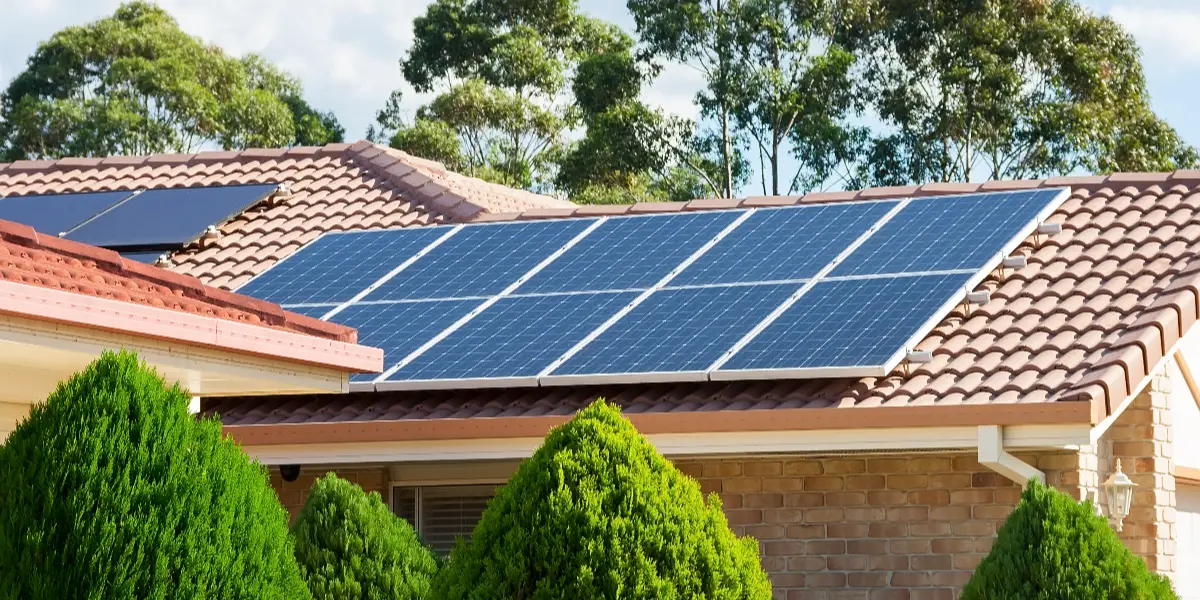
Solar panels are a long-term investment, with most systems carrying warranties that span 20 to 25 years. Many homeowners assume that once the panels are on the roof, they are fully protected for the life of the system, but in practice, that is not always the case. Certain actions, some of them entirely unintentional, can invalidate a solar panel warranty and leave you facing repair or replacement costs that should never have been yours to bear.
Understanding what those actions are is the first step to avoiding them, so let’s discuss these so you know what to do and what not to do.
How Solar Panel Warranties Work
Before looking at what can void coverage, it helps to understand the three distinct types of warranty that typically come with a solar installation.
Manufacturer Product Warranty
Every solar panel manufacturer warranty covers defects in the physical materials and components of the panels themselves. If a panel develops a fault due to poor manufacturing, faulty cells, or material failure, this warranty provides the route to a remedy. Most coverage of this type runs for 10 to 12 years, though some manufacturers offer longer terms.
This protection applies to the product, not to how it performs over time.
Performance Warranty
The performance warranty is a separate solar panel guarantee that covers the output of your panels over time. Most manufacturers guarantee that panels will still produce at least 80 to 90 percent of their original rated output after 25 years. If output falls below that threshold, the manufacturer is obliged to repair or replace the affected panels. Sharp or accelerated drops in output may indicate a deeper fault worth investigating.
Workmanship Warranty
Lastly, the solar panel workmanship warranty covers the quality of the installation itself, rather than the panels as a product. It is provided by the installer and protects against faults arising from how the system was fitted: poor cable management, incorrect mounting, or wiring errors would all fall under this warranty. It is separate from solar panel insurance, which serves a different purpose and provides a different kind of protection.
Common Actions That Void Solar Panel Warranties
Knowing the warranty types is useful, but what matters most in practice is understanding what can strip that protection away.
Using Non-Certified Installers
Many manufacturers require that their panels are installed by an accredited professional as a condition of the solar panel guarantee. In the UK, MCS certification is the relevant standard, and failure to meet the required solar panel installation standards can give manufacturers grounds to decline future claims. This is not always made clear at the point of sale, which is why verifying installer credentials before any work begins is essential.
Modifying the System
Adding components, extending the array, or altering the wiring of an existing system without consulting a qualified engineer is one of the more common ways homeowners unknowingly compromise their coverage. Manufacturers design systems to operate within specific parameters, and unapproved changes can shift things outside those boundaries. Home insurance policies often include exclusions for damage arising from unauthorised modifications, so the risk extends beyond the warranty itself.
Poor Maintenance
Neglecting your system can breach solar system maintenance requirements that form part of your warranty terms. Visible faults left unaddressed, persistent error warnings on the inverter that are ignored, or debris accumulation that leads to physical damage can all be cited as grounds to limit or refuse a warranty claim. Warranties are not unconditional; they generally assume the owner will take reasonable steps to keep the system in working order.
Physical Damage
Accidental damage is a more nuanced area. Severe weather damage may be covered under home insurance rather than the manufacturer’s warranty. However, damage caused by incorrect cleaning, pressure washing, or DIY work on or near the panels is a different matter. Reviewing your solar warranty conditions before carrying out any physical work is important, as damage attributable to the homeowner is typically excluded from both manufacturer and installer coverage.
Why Professional Installation Matters
The quality of the original installation has a direct bearing on whether warranties remain valid for their full term. MCS-certified installers must meet defined solar panel installation standards, and that compliance matters beyond the day work is done.
Three reasons why professional installation is worth prioritising:
- Warranty Validity: A solar panel warranty issued by the manufacturer may be conditional on MCS-certified installation. Without it, future claims can be declined regardless of the fault.
- Documentation: A certified installer provides the paperwork required to support warranty claims, including commissioning records and installation certificates.
- Long-Term Accountability: Installers working to recognised standards are easier to hold accountable if problems arise.
How to Protect Your Solar Panel Warranty
Protecting your solar panel warranty is largely a matter of consistency. There is no single action that guarantees coverage remains intact; it is good habits over time that make the difference.
Practical steps to keep your coverage valid:
- Use MCS-certified installers for any installation, upgrade, or modification. MCS certification warranty requirements are set by most manufacturers, so accreditation is not optional.
- Keep all documentation including warranty certificates and commissioning records somewhere safe, as these support future claims.
- Monitor system performance regularly and investigate any sustained output drop promptly.
- Arrange periodic inspections as part of a solar system maintenance routine.
- Avoid unauthorised modifications without consulting a certified professional.
Does Solar Panel Insurance Provide Additional Protection?
A solar panel guarantee from the manufacturer covers what a manufacturer can control: the product and its performance. Home insurance covers something different. Many standard policies include solar panels as part of the building structure, meaning storm damage or accidental damage may be covered where the manufacturer’s warranty would not apply.
It is worth checking the specific terms of your home insurance policy, as some insurers require panels to be declared separately. Standalone solar panel insurance products also exist and can offer broader coverage, including for loss of export payments during system downtime. Neither replaces a manufacturer or workmanship warranty, but both working together provide more complete protection.
What to Do If Your Solar Panels Develop a Fault
If you notice a problem with your system, the steps you take early on can make a significant difference to whether a warranty claim succeeds.
Start by checking your inverter display or monitoring system for error codes or alerts, as having a record of when an issue first appeared strengthens any subsequent solar panel guarantee claim. Next, locate your warranty documentation and review what is covered. Contact your original installer first, as workmanship faults fall under their responsibility.
If the issue appears to be with the panels themselves, the installer can liaise with the manufacturer on your behalf. In either case, arrange a professional inspection before any solar panel repair work begins.
Protect Your System for the Long Term
Warranties offer meaningful protection, but they are not unconditional. The steps you take as a homeowner, from choosing a certified installer at the outset to keeping on top of routine checks, directly affect whether that protection holds when you need it. Solar panel insurance adds cover for scenarios outside warranty scope.
If you have questions about your existing system or want to arrange an inspection, contact the SESC Solar Service team on 01747 445 509 or use our contact form.
Book Your Free Survey Today
Let’s discuss what your property needs — whether it's a new solar installation or an expert check-up.