




How Weather Affects Solar Panels and What to Do

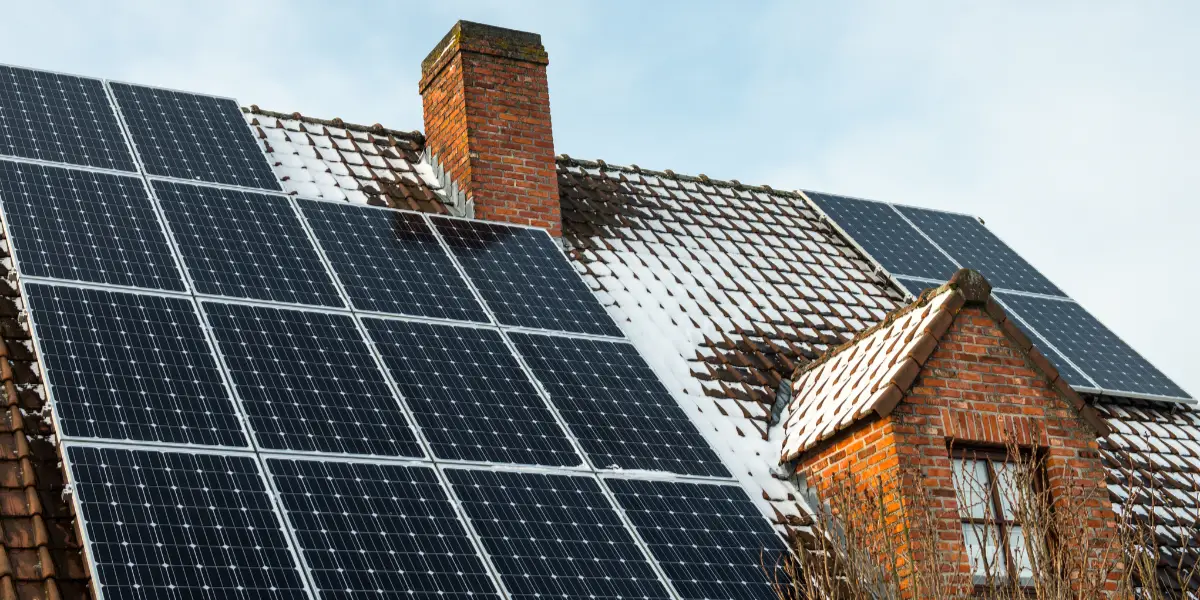
You’d be forgiven for thinking that solar panels need blazing sunshine to function, but here’s the truth: solar panels work just fine even when it’s overcast or raining. That mean that the Great British weather won’t in fact prove too unpredictable for solar to be worthwhile.
Consider that, despite mostly grey skies, heavy rain, and cold winters, the UK is one of the strongest markets for solar adoption in Europe. With that said, the weather will still have an impact so, how does weather affect solar panels? Understanding the weather effects on solar panels helps clear up a lot of the confusion.
In this guide, we’ll walk you through how different conditions affect your system and what you can do to keep it performing well. And if you’d like to know more about how solar panels work, that’s a helpful place to start.
Do Solar Panels Work in Cloudy Weather?
This is probably the question we get asked more than any other, and the answer will reassure you. Solar panels in cloudy weather still produce electricity, as the process doesn’t simply switch off when the sun disappears behind a cloud.
But how does weather affect solar panels under overcast skies? Output will typically reduce by around 10 to 25%, depending on how dense the cloud cover is. That’s a meaningful drop, but it’s far from a complete loss. Panels continue to convert diffuse light, the scattered sunlight that filters through clouds, into usable energy throughout the day.
This is actually where the UK climate works in solar’s favour. The country receives enough annual irradiance to make solar energy generation efficient and cost-effective, even accounting for the overcast days. Many of our customers are genuinely surprised by their generation figures during autumn and winter. The key is the consistent, year‑round output, not just the bright summer days, that makes solar such a strong long‑term investment.
How Cold Weather Can Improve Solar Panel Efficiency
Here’s something that might feel counterintuitive at first. Solar panels in cold weather can actually perform better, not worse, than they do during a warm summer’s day.
Solar panels are essentially electronic components, and like most electronics, they operate more efficiently when they’re kept cool. Cold air reduces electrical resistance within the panel, which means the system can convert energy more effectively. Solar panel output in cold weather is often stronger than people expect, particularly on crisp, bright winter days when sunlight is present and temperatures are low.
Solar panel winter performance benefits from this combination of cool conditions and available sunlight. While the days are shorter in December and January, a cold, clear afternoon can produce a solid generation reading. It’s a good reminder that temperature and light are two separate variables, and both matter when assessing how well your system is running.
How Rain Can Benefit Solar Panels
Rain gets a bad press when it comes to solar, but it actually plays a genuinely useful role in keeping your system healthy.
Solar panel performance in rain isn’t just about tolerating wet weather. The rain itself acts as a natural cleaning mechanism, washing away the dust, pollen, bird droppings, and general debris that gradually build up on panel surfaces over time. Left unchecked, that layer of grime can reduce the amount of light reaching the cells, quietly reducing your output without you even noticing.
Regular rainfall helps panels maintain their efficiency by keeping surfaces clear, which is particularly valuable during spring when pollen levels are high. It’s one of the few maintenance tasks the weather takes care of for you. Of course, heavy or sustained rainfall does temporarily reduce generation, but once the clouds clear and the panels dry, your system is typically cleaner and better placed to perform well than it was before the rain arrived.
The Impact of Extreme Heat on Solar Panels
You might assume that the hotter the weather, the better your panels perform. It’s a reasonable thought, but solar panel efficiency and temperature have a more complicated relationship than that.
Excessive heat can actually reduce panel output. Most solar panels have what’s called a temperature coefficient, a rating that shows how much efficiency drops for every degree above 25°C. In practical terms, a very hot summer’s day can see output dip slightly compared to a cooler, equally sunny day. Solar panel overheating is a real consideration, particularly for panels installed in locations with limited ventilation or against dark roof surfaces that absorb additional heat.
The good news is that modern solar panels are designed with this in mind. Manufacturers test panels to function across a wide temperature range, and proper installation makes a significant difference. A well-installed system includes adequate air gap beneath the panels, allowing heat to dissipate naturally and keeping temperatures within the panel’s optimal operating range. It’s one of the reasons why choosing an experienced, MCS-certified installer like SESC Solar Service matters.
How Snow and Storms Affect Solar Panels
Heavy snowfall is relatively rare across most of the UK, but it’s worth knowing how your system handles more extreme winter weather. Snow on your panels will temporarily reduce generation, though the angled installation means it typically slides off as temperatures rise. It’s rarely a prolonged issue.
When it comes to structural resilience, solar panels are built to a high standard. Here’s what you should know:
- Wind Load Resistance: Mounting systems are engineered to keep installations secure in storm conditions.
- Hail Resistance: Panels undergo impact testing as part of their certification, making them more robust than they might appear.
- Snow Load: Panels are rated to bear accumulated snow without structural damage.
- Solar Panel Winter Performance: Cold and stormy weather rarely causes lasting damage to a well-installed system.
Solar panel overheating and solar panel efficiency temperature concerns are low in winter, as cooler conditions generally support performance. In general, solar panels in cold weather are well-suited to UK winters with correct installation and regular maintenance.
What Homeowners Can Do to Maintain Solar Performance
Understanding how weather affects your system day to day is useful, but a few practical habits will keep your panels performing well all year round.
- Monitor your generation data regularly. Most systems include an app or display showing daily output. Knowing your typical figures makes it easier to spot an unexpected drop.
- Clear heavy debris after storms. Leaves and branches should be removed carefully. Our guide on how often solar panels need maintenance can help you plan a routine.
- Schedule periodic professional inspections. Solar panel maintenance in cold weather is particularly important, as winter brings shorter daylight hours and greater system demand.
- Check your inverter after severe weather. It’s worth confirming it’s running normally following any significant storm.
How does weather affect solar panels over the long term? If your solar panel winter performance drops without an obvious cause, a professional solar PV repair service can inspect the system and restore performance.
Solar Panels Are for All Seasons: Here's How to Get Started
So, how does weather affect solar panels? Knowing the answer will help you make the most of your system year-round. Cloud, rain, and cold temperatures all allow energy generation to continue, and solar panel winter performance is regularly stronger than homeowners expect. Rest assured that solar panels in cloudy weather still contribute meaningfully to your household energy needs.
Whether you’re exploring the benefits of installing solar panels or want to know whether solar panels will save you money, SESC Solar Service is here to help. We’re MCS-certified, NICEIC registered, and backed by a lifetime warranty on all work. To get started, call us on 01747 445 509 or use our contact form for a free, no-obligation quote.
Book Your Free Survey Today
Let’s discuss what your property needs — whether it's a new solar installation or an expert check-up.